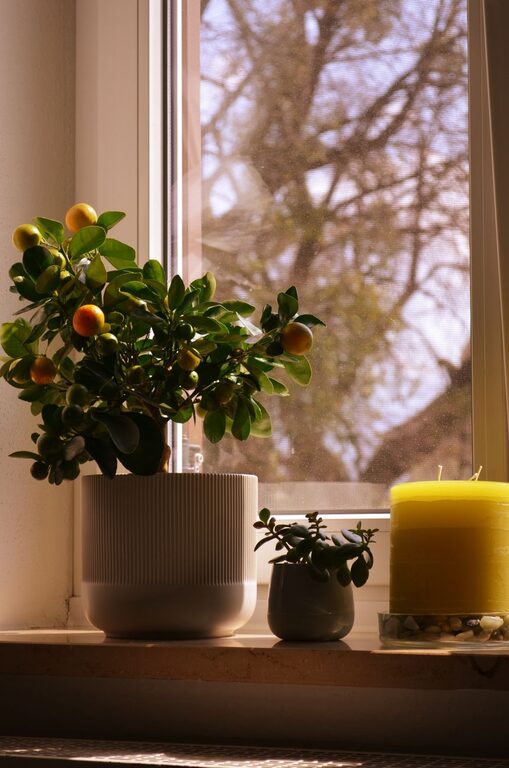

Creating a quiet and peaceful home environment can greatly improve your comfort and well-being. Whether you live in a busy city, a noisy neighborhood, or just want to minimize everyday sounds, reducing noise at home doesn’t have to be complicated or expensive. With a few simple and practical steps, you can make your living space more serene and enjoyable.
In this post, we’ll explore easy ways to reduce noise at home, from identifying common noise sources to using materials and layout tricks that help absorb or block sound.
Understanding Noise at Home
Before making changes, it’s helpful to understand where noise comes from and how it travels. Noise can be external or internal:
– External noise: Traffic, neighbors, construction, or outdoor activities.
– Internal noise: Appliances, voices, footsteps, or electronics inside your home.
Noise travels through air, walls, floors, and ceilings. Some sounds are airborne while others are structure-borne (vibrations through solid materials). Effective noise reduction usually involves both blocking and absorbing sound.
Simple Ways to Reduce Noise Indoors
1. Use Soft Materials to Absorb Sound
Hard surfaces reflect sound waves, making spaces louder. Soft materials can absorb sound and reduce echo.
– Add rugs or carpets to bare floors.
– Use upholstered furniture instead of hard chairs.
– Hang thick curtains or drapes over windows.
– Add fabric wall hangings or tapestries.
These materials help dampen sound vibrations and soften the overall noise level in your rooms.
2. Seal Gaps and Cracks
Noise often seeps through gaps around doors and windows.
– Install weatherstripping around door frames.
– Use door sweeps to close gaps under doors.
– Apply acoustic caulk to seal cracks in walls or around window frames.
These simple fixes block the pathways where sound can enter or escape.
3. Rearrange Furniture for Sound Control
Strategic furniture placement can help block or absorb noise.
– Place bookshelves or cabinets against shared walls.
– Use larger furniture pieces near noisy areas.
– Create buffer zones with furniture between noise sources and quiet spaces.
This adds extra layers that sound must get through, reducing its impact.
More Tips for Reducing Noise from Outside
4. Add Window Treatments
Windows are a common weak spot for outside noise.
– Install double-pane or laminated windows if possible.
– Use heavy curtains designed to block sound.
– Consider temporary window inserts for added insulation.
Improved window insulation can significantly lower outdoor noise levels.
5. Create Outdoor Barriers
Noise from outside can be softened before it reaches your home.
– Plant thick hedges or trees near noise sources.
– Build fences or walls made from dense materials.
– Use water features like fountains to produce soothing ambient sounds.
These natural and structural elements help absorb or mask unwanted noise before it enters your space.
Managing Noise Within Your Home
6. Use Soundproofing Panels or Foam
For rooms where noise is a big concern (like home offices or bedrooms), consider soundproofing panels.
– Install acoustic panels or foam on walls or ceilings.
– Use corner bass traps to reduce low-frequency noise.
– Choose panels with fabric coverings that blend with your décor.
These products are designed to absorb sound and improve room acoustics.
7. Maintain Appliances and Electronics
Some noise comes from everyday machines.
– Keep appliances well-maintained to reduce rattling.
– Use anti-vibration pads under washing machines or other noisy devices.
– Choose quieter models when replacing electronics.
Reducing the noise your devices make adds to overall quiet.
8. Set Quiet Zones and Rules
Creating quiet areas in your home can help manage noise levels.
– Designate rooms or corners for relaxation or work.
– Establish household rules about noise during certain hours.
– Use white noise machines or fans to mask distracting sounds.
Clear expectations and dedicated spaces support a peaceful home environment.
Final Thoughts
Reducing noise at home is often about combining small changes that work together. From soft furnishings and sealing gaps to outdoor landscaping and room layout, many simple actions can create a calmer, more comfortable space. Whether you want better sleep, improved focus, or just more quiet moments, these practical tips can help you enjoy the peaceful home environment you deserve.
Try a few strategies today and notice how your home becomes a haven from the noise outside and inside.
About the Author